Christmas Pub and Restaurant WiFi Marketing
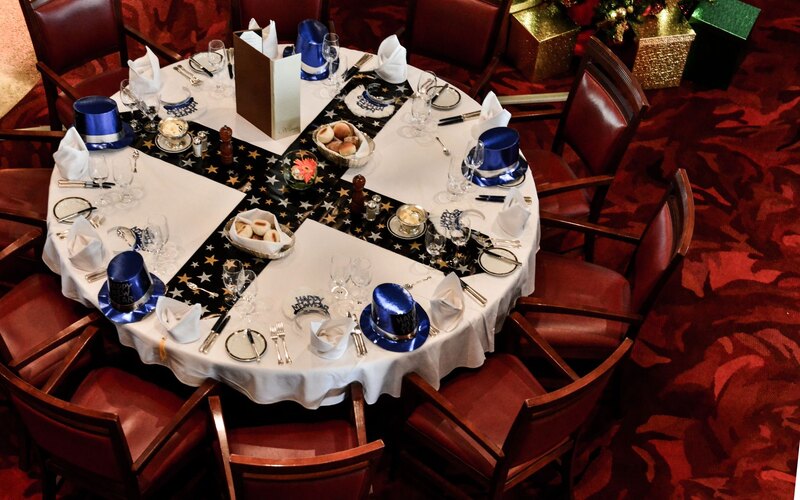
A pub that does 400 covers across a December weekend has 400 chances to start a relationship, and most of them walk out the door without leaving so much as a name. The food was good, the table got turned twice, the till looked healthy. Then January arrives and the same room is half empty, and nobody can email the 400 people who clearly liked the place enough to book a Christmas party there.
That is the gap this post is about. December is the loudest month of the trading year for UK hospitality, and it is also the easiest month to capture a year's worth of customers. The trick is not running a clever Christmas advert. It is quietly collecting consent at the point people are already happy, then having something useful to send them in January, February and beyond.
CaptiFi is a guest-WiFi marketing platform. We do not sell or install hardware. We layer a branded captive portal, email capture and Google review automation on top of the network you already run, so the festive crowd becomes a list you own. Here is the seasonal playbook.
Why December is the month that matters
December is described as the busiest trading period of the year for UK hospitality, with longer visits and higher spend per head over the festive period (Oxford Partnership data reported via The Drinks Business, January 2026). That is not marketing fluff. UKHospitality framed positive Christmas trading as the "bare minimum" venues needed just to keep pace with rising costs (Kate Nicholls, UKHospitality).
The hard numbers back the pubs in particular. According to the NIQ/RSM Hospitality Business Tracker, UK managed pub like-for-like sales rose 5.1% year on year in December 2025, the strongest festive trading on the tracker, while managed restaurants were up 0.8% and bars down 1.7%. In Christmas week itself (the seven days from 22 December 2025) pubs were up 4.8% and restaurants down 1.1%. So the footfall is real, it is uneven across venue types, and it is concentrated into a few short weeks.
Now hold that thought next to one inconvenient fact: the people filling those tables are mostly strangers to your database. Office parties book through one organiser. Walk-ins pay and leave. Families come once a year for the turkey. You have a packed room and almost no way to reach anyone in it again. Fixing that is the whole job.
December gives you the traffic. Guest WiFi turns that one-night traffic into a list you can email in the quiet months, which is when you actually need the help.
Capture the festive crowd on WiFi
When a guest connects to your WiFi, they hit a branded splash page before they get online. That page is the most valuable square of screen in the building during December, because everyone uses it and nobody resents it. You ask for an email (and consent to be marketed to), you grant access, and you have a subscriber.
Venues using CaptiFi typically capture 40 to 60% of connecting guests as email subscribers, which works out at 400-1,200 emails per venue per month. In a busy December, that figure runs hotter than usual simply because the room is fuller. A pub that captures even half of a heavy festive fortnight can add more to its list in three weeks than it does in the rest of the quarter.
Two things make this work rather than annoy people. First, the marketing opt-in must be a separate, unticked box from getting online, which is what UK GDPR and PECR require. CaptiFi keeps WiFi access and the marketing consent unbundled by default, so a guest can get online without subscribing and you only email the ones who genuinely agreed. Second, the splash page has to look like your venue, not a generic login. Our branded splash builder lets you put your festive menu, your logo and a "book your Christmas table" button right on the page people see first.
Set the splash page up as an external captive portal on your existing kit. CaptiFi authorises guests through the controller or gateway API, so there is no RADIUS server to babysit. It works with UniFi, TP-Link Omada, Cisco Meraki, Aruba, MikroTik, Ruckus, Fortinet, Cambium and DrayTek, or an included plug-and-play device if your network is older. See the hardware page for the full list.
The festive campaign calendar
Capturing emails is half the play. The other half is sending the right thing at the right time, on autopilot, so you are not writing newsletters at 11pm in the middle of your busiest fortnight. Here is a calendar you can set once and let run. The earlier campaigns chase bookings; the later ones protect January.
| When | Campaign | Goal | What to send |
|---|---|---|---|
| Early November | Christmas bookings open | Fill the party diary early | Festive menu, party packages, "book before tables go" with a deposit link |
| Late November | Gift voucher push | Capture December cash | Buy a voucher for someone, easy online purchase, "the present that books itself" |
| Early December | Last tables reminder | Sell the remaining slots | Specific dates still free, midweek offer, walk-in welcome |
| Welcome email (automated) | New subscriber greeting | Convert a one-off to a regular | Triggered the moment someone joins on WiFi; thanks, festive offer, social links |
| Mid December | New Year's Eve | Pre-sell the 31st | NYE package, ticketed tables, deposits to lock numbers |
| Late December | Thank you and reviews | Bank goodwill and reviews | Thanks for a great festive season, gentle Google review nudge |
| Early January | Dry January menu | Beat the post-Christmas dip | Low and no-alcohol drinks, coffee, lunch deals, family days |
| Mid January | Win-back | Pull December guests back | "We miss you" offer to anyone who came once in December and not since |
The welcome email is the engine of all of this. It fires automatically when someone subscribes, and venues using CaptiFi typically see it opened far more often than a standard marketing send, because people genuinely expect a hello after joining the WiFi. If you want the full structure for that first message, we cover it in the welcome email sequence guide. Everything else on the calendar can be scheduled in advance through automated marketing so December runs itself.
Gift vouchers and the December cash boost
Gift vouchers are the most under-used festive lever for independents. A voucher is cash in the till in December for a meal you serve in February or March, which is exactly when you need the trade. Your WiFi list is the cheapest place to sell them, because you are emailing people who already chose your venue once.
Run the voucher campaign in late November while present-buying panic is building. Keep the message short: a CaptiFi voucher is a real meal at a real place, not another scented candle. Send it again in mid December to the last-minute crowd, the people who have left it too late to post anything. If you run several sites, a multi-venue dashboard lets you push the same voucher offer across all of them and see which location's list responds best.
New Year's Eve and the January cliff
New Year's Eve is the last big sell of the season, and it is a deposit business. Email your festive list in mid December with a ticketed or deposit-led NYE package so you lock numbers instead of praying for walk-ins on the 31st. The people who came to a Christmas party three weeks earlier are your warmest possible audience for it.
Then comes the cliff. The same NIQ/RSM tracker that showed pubs up 4.8% in Christmas week shows how quickly the room empties afterwards. This is the single biggest reason to have built the list in the first place. Win-back emails are how you climb back out. A simple "we haven't seen you since December, here is a reason to come back" sent in mid January does the heavy lifting. There is more on this in the complete guide to pub WiFi marketing.
Dry January: lose the night, keep the customer
Plenty of your December regulars will not drink in January, and pretending otherwise loses you the visit entirely. The smarter move is to email them a reason to come in anyway. Lead with low and no-alcohol drinks, proper coffee, a good lunch deal, a quiz night, family Sundays. You are not selling pints in January; you are protecting the relationship so the pints return in February.
This is the honest bit. Not every campaign needs to push booze, and the venues that handle January best are the ones that read the room. A dry-January email that respects the customer's choice keeps them on your list and walking through your door, which is the entire point of having captured them in December.
Bank the Christmas reviews
December is also your best month of the year for Google reviews, because more happy people pass through your door than at any other point. Google states that local ranking is based on relevance, distance and prominence, and that prominence is partly built on reviews: "More reviews and positive ratings can help your business's local ranking" (Google Business Profile Help). Recency matters too, both to Google's prominence signal and to customers; GatherUp's "Beyond the Stars" survey found 45% of consumers pay the most attention to recent reviews.
So a wave of fresh December reviews helps you all the way into spring. CaptiFi's review automation sends a well-timed prompt to happy guests after their visit, which is how venues typically earn three to five times more Google reviews within 60 days. Turn it on before the festive rush and let the busiest month of the year do the work. We go deeper on the local-SEO side in this guide.
Getting set up before the rush
The mistake is leaving this until December. By the time the parties are booked, you want the splash page live, the welcome email written and the festive calendar scheduled, so the only thing left to do is pour drinks. Aim to have it running by early November.
- Connect CaptiFi to your existing controller or gateway, or plug in the included device, and build a festive splash page with a booking button.
- Write the automated welcome email once so every new December subscriber gets it instantly.
- Schedule the calendar above through automated marketing, from the November bookings push through to the January win-back.
- Switch on review automation so the festive goodwill turns into Google reviews.
- Check your consent is unbundled and PECR-compliant; our GDPR compliance setup handles this by default.
If you run a pub, the pubs page walks through the specifics; restaurants have their own setup on the restaurants page. For another seasonal angle once Christmas is done, the World Cup 2026 marketing guide uses the same capture-then-email pattern for the summer. CaptiFi starts at $69/mo and there is a 30-day free trial, which is enough time to have everything live before the first office party walks in.
Sources: NIQ/RSM Hospitality Business Tracker via Morning Advertiser and RSM UK (December 2025); Oxford Partnership via The Drinks Business (January 2026); UKHospitality; Google Business Profile Help; GatherUp "Beyond the Stars". CaptiFi performance figures are typical platform results, not guarantees. Hardware compatibility and external-portal behaviour vary by vendor and firmware. Correct at the time of writing, June 2026.
Frequently asked questions
Quick answers to the most common questions about this topic.
When should I start my Christmas WiFi marketing campaigns?
Is December really the busiest month for UK pubs and restaurants?
How many emails can I realistically capture during the festive season?
How do I email guests in January without breaking GDPR?
What should a dry-January email actually say?
Will collecting WiFi emails help my Google reviews over Christmas?
Do I need new hardware to run a Christmas WiFi campaign?
What is the single most valuable festive campaign to run?
How does gift-voucher selling over WiFi help my cash flow?
The CaptiFi Editorial Team writes about guest WiFi marketing, captive portals, GDPR-compliant data capture, and local SEO for venue operators. We base our recommendations on real customer outcomes and verified third-party reviews from G2.com.
Ready to turn your guest WiFi into a marketing engine?
CaptiFi captures customer data from every WiFi login, automates Google reviews and email follow-ups, and plugs into the tools you already use. Hardware included (refundable deposit), transparent pricing, 30-day free trial.